Share


Share
06.010.22
7 Reasons Not to Buy a Natural Diamond
You don’t have to actually watch a movie about blood diamonds to know that a natural diamond has a lot of sketch going against it. After all, who wants to pay exorbitant amounts of money for a diamond engagement ring that looks like everyone else’s and leaves a sour feeling in your gut? You know, because it might have wreaked havoc on the universe getting from deep within the Earth’s crust to that sparkly setting on your pretty little finger. Especially when there are so many beautiful alternative engagement rings you could choose! Are natural diamonds really all they’re cracked up to be? Are lab diamonds the next big thing? Everyone’s got an opinion, and we’re just here to break it all down. You know, in a relatable way.
1. Natural Diamonds are a Marketing Ploy
Seriously tho, did you know that prior to DeBeers’ “A Diamond is Forever” (written in 1947 by the late, great female copywriter Frances Gerety, btw) marketing campaign, diamond engagement rings weren’t even really a thing? I mean, sure there were diamond rings, but they weren’t on the ring fingers of everyone in town. So where did this campaign come from and why did it change the course of history?
Well, DeBeers has long been the most major of major diamond mining companies and they had a lot of supply during the early 20th century, but not enough demand. So, like any good capitalist company, they hired an ad agency. And thus, the words that would, in 1999, be named the slogan of the century, were birthed into the world. Thereby, convincing the masses that they didn’t just want a diamond ring, but needed one. And that they should spend two months’ salary on it as well.
But Are Diamonds Actually Forever?
The question remains, is a natural, mined diamond really for forever?
Well, kind of. Diamonds are made of carbon and are kinetically stable. AKA they react to pressure changes (like going from deep within the earth to your finger) incredibly slowly. Overtime, your diamond will turn to graphite thanks to this slow process. Think – in a billion years or so. So yes, that natural diamond on your finger will last for your forever (meaning your lifetime, and your children’s and their children’s children’s children) but if we’re thinking of billions of years into the future? No, that diamond isn’t for forever.
And yes, diamonds are the hardest surface known on earth. But this hardness does not mean they’re unbreakable. Nor is it a guarentee of a happy or lasting marriage.
Sidenote- That Slogan Applies to Lab Grown Diamonds Too
And if you don’t know, now you do-lab grown diamonds are physically, chemically, and optically the exact same material, so they’ll last just as long. They just didn’t get a fancy slogan. The point? Don’t let a catchy turn of phrase, created to sell you something, be the reason you’re dropping dollars on that diamond engagement ring. Buy what you love, for who you love, and call it good.
2. Natural Diamonds are Bad for the Planet
Something that’s becoming increasingly top of mind for many is whether or not natural diamonds are sustainable. Because climate change, darling.
Did you know that for every carat of diamonds mined, nearly 100 square feet of earth is disrupted, and thousands of pounds of mineral waste, well, wasted? No joke. Diamond mining takes a major toll on our natural resources.And it’s not just land! Mined diamonds produce more than 125 pounds of carbon for every single carat, whereas lab created diamonds produce just under 10 pounds. Mined diamonds consume more than 126 gallons of water per carat, whereas lab-created diamonds consume just under 20.
But It’s Not Just Natural Diamonds
‘Well just buy lab grown.’ You might hear some say. And it is true that lab grown diamonds do use less natural resources in their formation. But that doesn’t mean they don’t use any resources. On average, one perfectly polished lab grown diamond will use around 511kg of greenhouse gasses.
But there is hope. Many natural diamond companies have pledged and taken action to be Net Zero by a certain time. Initiatives taken include shifting towards solar or wind to power mining and recycling up to 84% of water used in recovering diamonds.
And many lab diamond growers =are taking this one step further by using entirely renewable forms of energy such as solar or hydropower.
3. Natural Diamonds are Unethical
Whether you’re talking about the big, blowing things up kind of diamond mining or the more artisanal, hands in the dirt method, there are actual humans involved in this work. Not to mention those living in the societies where diamond mining takes place. Not only does this bring up questions of who’s actually getting paid (and how much?) for the diamonds, but how they’re treated.
And this is where that whole blood diamond thing comes into play. What exactly is a blood diamond? Well, it’s a diamond that’s sold to finance wars and civil unrest. Which basically means some bad guys get ahold of diamonds (probably not by the most fair means) and sell it off to the highest bidder. While also probably not giving much to the person who actually dug it out of the ground. Thus, major ethical concerns on all fronts. While the Kimberley Process was put into place in the year 2000 to help reduce the flow of conflict diamonds into the general market…
What About the Kimberley Process?
If you’ve been weighing the pros and cons of natural diamonds for awhile you’re probably heard of the Kimberley Process. Put into place in 2000, this certification scheme was set up to prevent conflict diamonds from entering the market. Essentially, there is a set of minimum requirements that each participant has to meet including: strict regulations, transparent principles,selective trading protocols, and export verification. If a country can’t meet these requirements they’re hit with immediate international trade restrictions, thus halting the flow of conflict diamonds on the market. But here’s the thing…
4. You Can Never be Sure About a Natural Diamond’s Origin
The thing about diamonds is that they last a long time. And they haven’t always been well traced. And the natural diamond tracing processes in place today still aren’t 100% foolproof. Sure, today most diamonds on the market are subject to the Kimberley Process of tracking and many of them are laser inscribed with a grading report number so they’re easier to track. But diamonds go through a lot of hands between the time they come out of the mine and when you pop the question. The thing about lab grown diamonds? Well, there are usually less steps in the supply chain and a more controlled environment, so a manufacturer might be the person directly selling it to you or to a retailer. Less human impact. Less tracing risk.
Plus, Natural Diamonds are Expensive
It’s true, and if you’ve been shopping already, you’ve probably noticed that natural diamonds command a pretty penny. Why? Well, that whole demand thing we mentioned up top, for one. And their limited quantities for another. Add those two things together and you get big price tags. It’s like any other commodity, though. Diamond prices fluctuate based on the market, based on availability, based on social unrest, the list goes on. Not to mention that much of the market is controlled by a very small group of companies, which means they can kind of command whatever price they want. In order to maintain their appeal as a rare, luxury good, prices tend to stay, well, up.
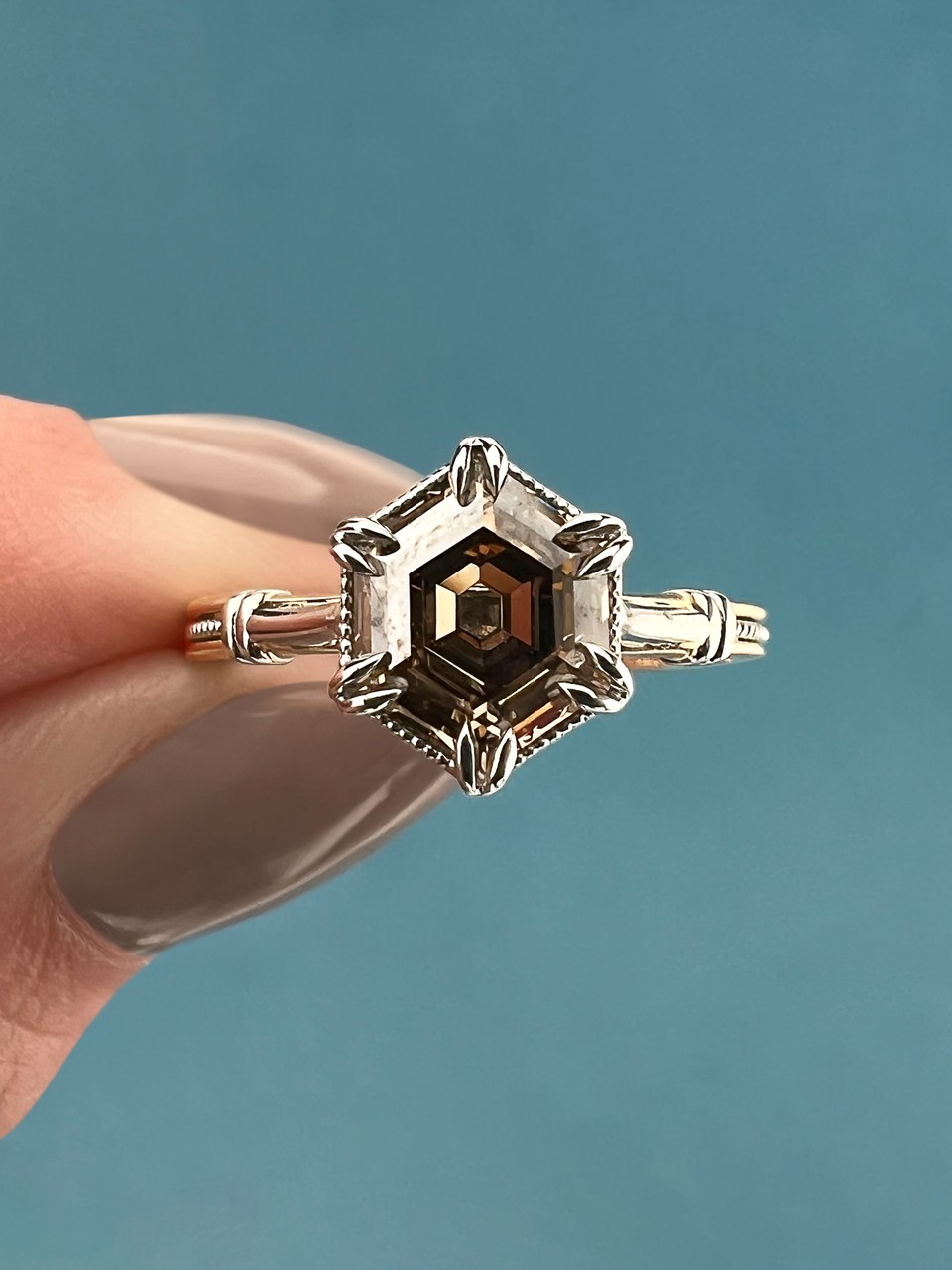
If you want to buy a natural diamond but don’t want to pay top dollar, there are ways to get around that. For instance, look at fancy shaped diamonds instead of rounds. Rounds are the most popular size and command a far higher price. Or look at different qualities like clarity and color. Have you considered a champagne diamond? Maybe a salt and pepper? There are plenty of amazing natural diamonds on the market that stand out from the crown and offer serious savings.
And Natural Diamonds Don’t Even Retain Their Value!
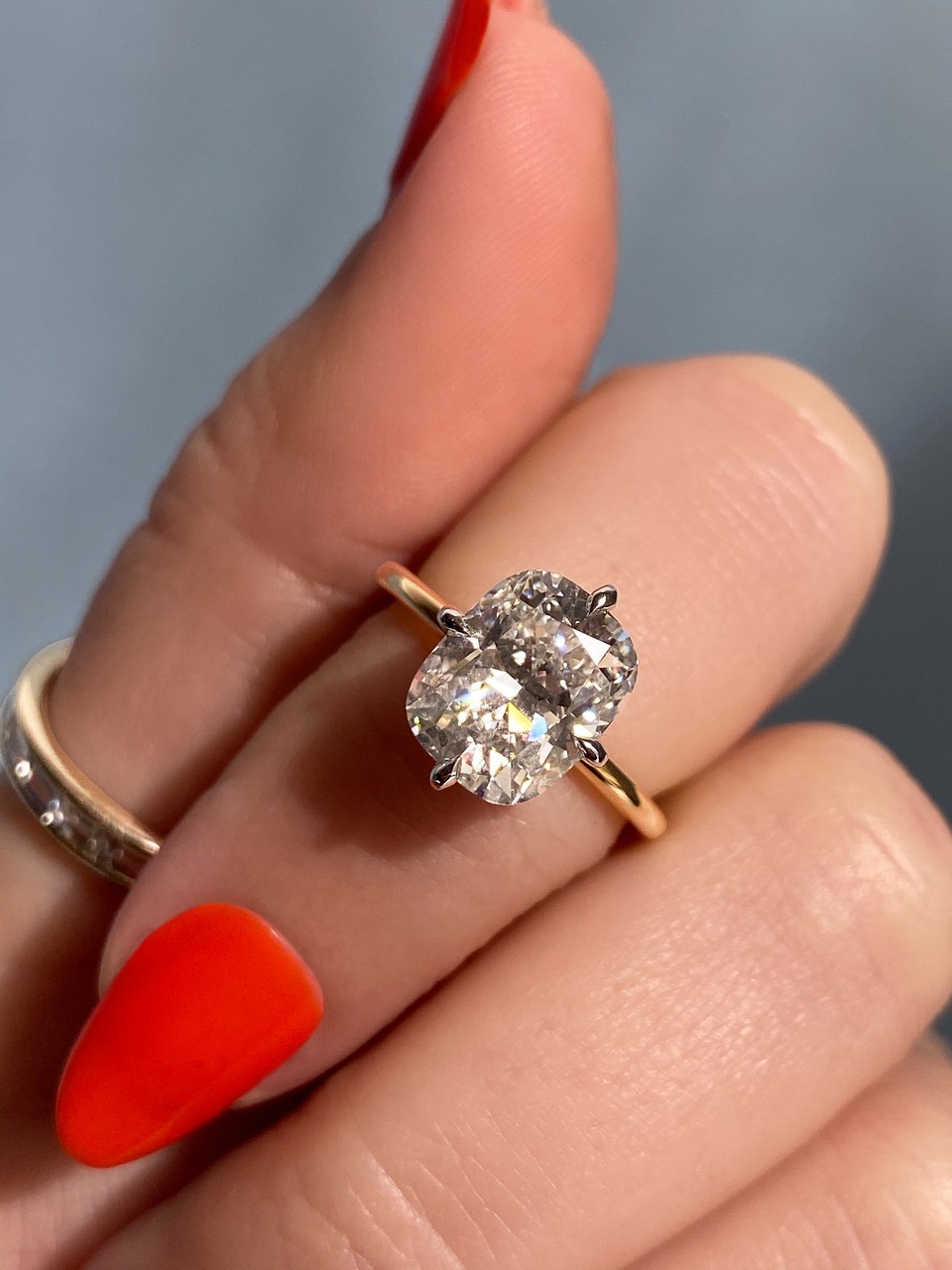
This question keeps coming up, so let’s settle it once and for all. Do natural diamonds retain value? And can I resell them? Well, darling, we hate to break it to you, but diamonds lose value similarly to cars. No, you can’t drive them. But unless you’re buying major, museum-worthy diamonds or stones so rare they set auction house prices, you’re never going to get back what you paid for it. Sure, you can resell your diamond to many different companies, but they still need to make money off of reselling to someone else, so just like a used car they’re going to be offering you a lower price. That’s just capitalism for ya.
While there’s even less of a market for re-selling a lab grown diamond, just remember that lab diamonds save you 50-60% in cost to begin with. Either way, we don’t ever suggest buying a diamond as an investment. Buy it for love!
Besides, Everyone Has a Natural Diamond
Really tho. Despite the growth we’re seeing in the market for lab created diamonds, they’re still not as popular or in demand as natural diamonds. So are natural diamonds really that rare if everyone and their mothers, sisters, and cousins are rocking them? Yes and no. New major diamond mine discoveries are down, so they are actually a limited natural resource. But there are also still tons of stores of diamonds in the hands of mining companies and manufacturers. Not to mention the loads of antique, vintage, and recycled natural diamonds that are also totes an option! If you want one of these, just ask. We love sourcing recycled or antique stones for our diamond clients.
Still Need Help Finding The Right Diamond For You?
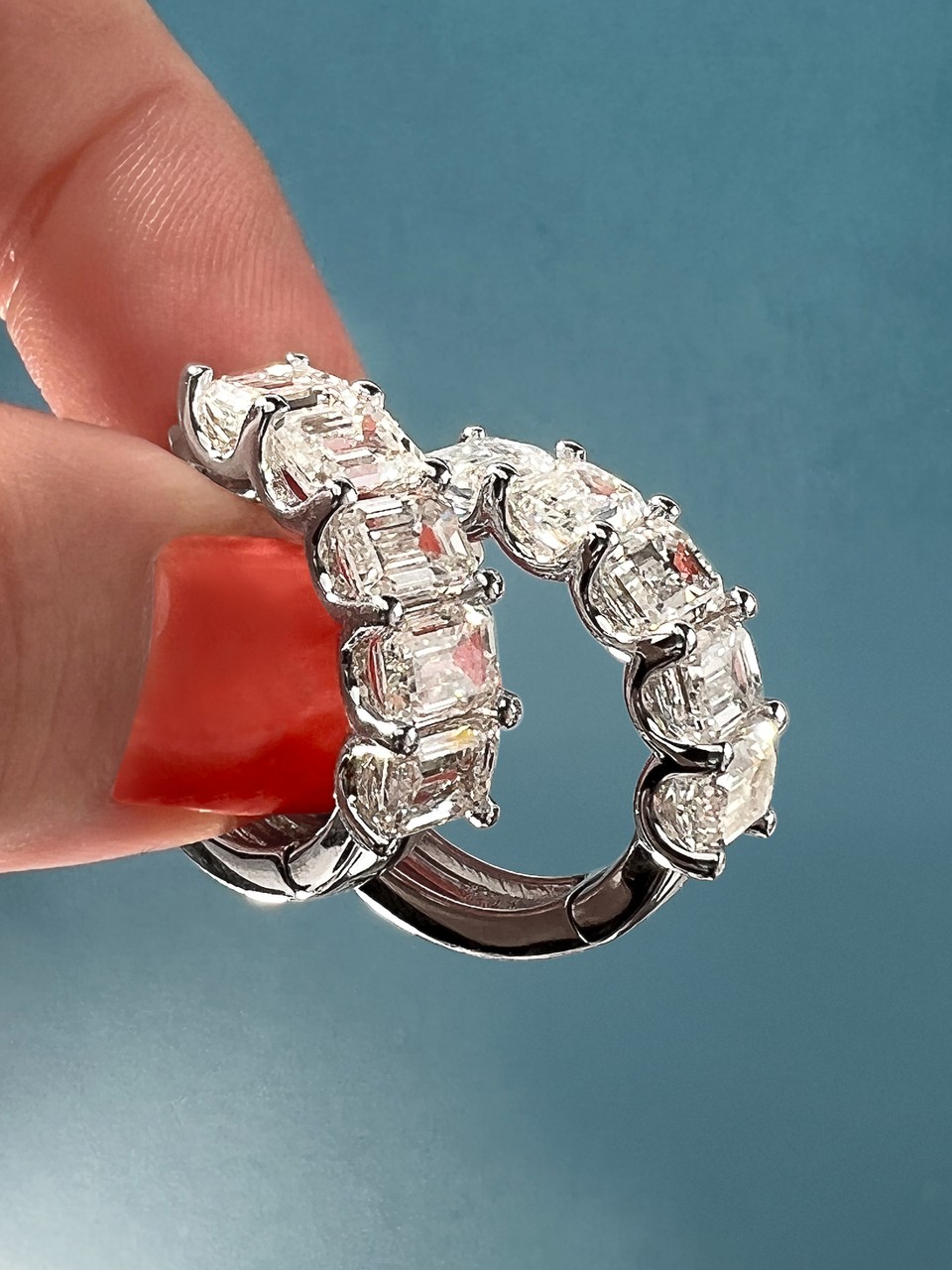
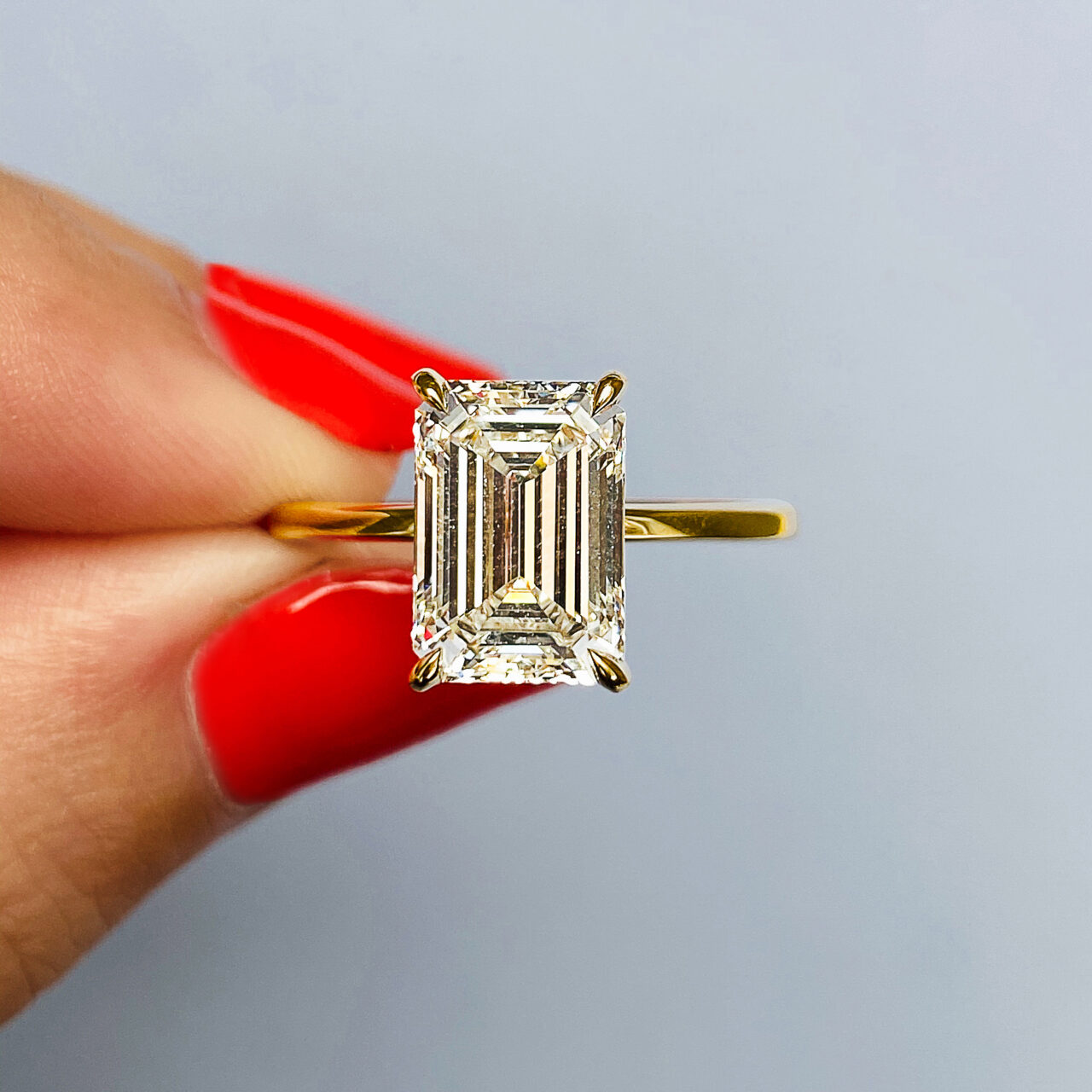
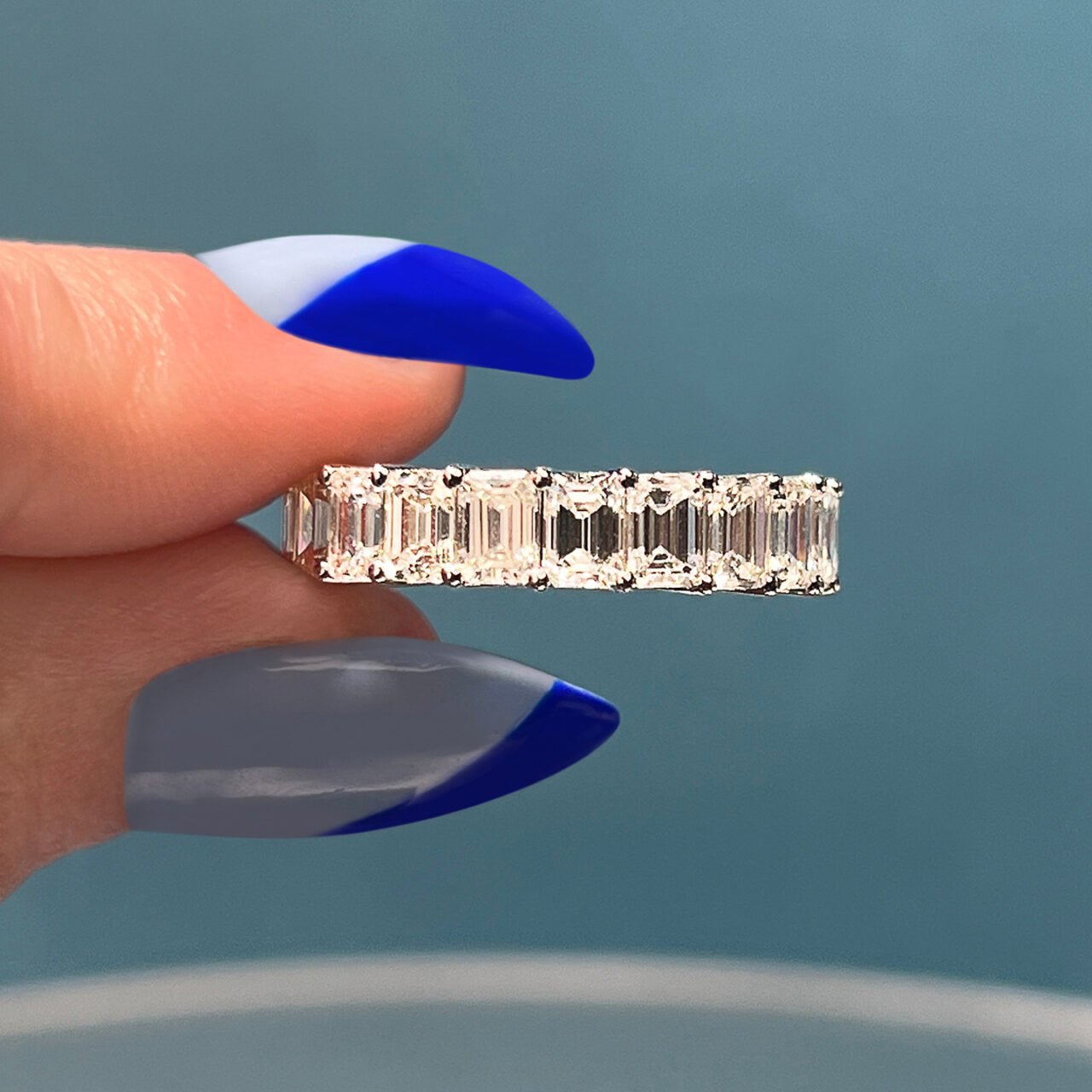
We got you, boo. To explore what they really look like (yes, with your own two eyes), check out our diamond search where you can view 360-degree images of more than 10,000 diamonds and don’t forget to zoom out (because size can be deceiving), or book a virtual or offline appointment at our New York salon to view certified lab-grown and natural diamonds in person.
Not finding what you’re looking for? Email us with what you’re looking for at hello@frankdarling.com. We’ll curate a list of 5-7 exclusive stones that are just right for you.

Stephanie Dore
Stephanie is a jewelry lover, gemologist, and seasoned copywriter with a decade of experience in e-commerce and tech. A RISD graduate, Stephanie also studied at GIA and has worked in the jewelry industry for 20 years. When not writing about diamonds and jewelry, Stephanie is also a photographer and backyard flower farmer. She lives in Tacoma, WA with her two black cats.